Olivia Qian

started in finance, but kept moving closer to technology because I wanted to understand how things are actually built, not just how they are valued. I tend to learn by entering unfamiliar rooms, getting close to ambitious people, and turning ideas into something concrete, whether that is a community, a system, or a new piece of work. I’m still early in that journey, but I know I want to spend it around exceptional people building at the frontier of AI.

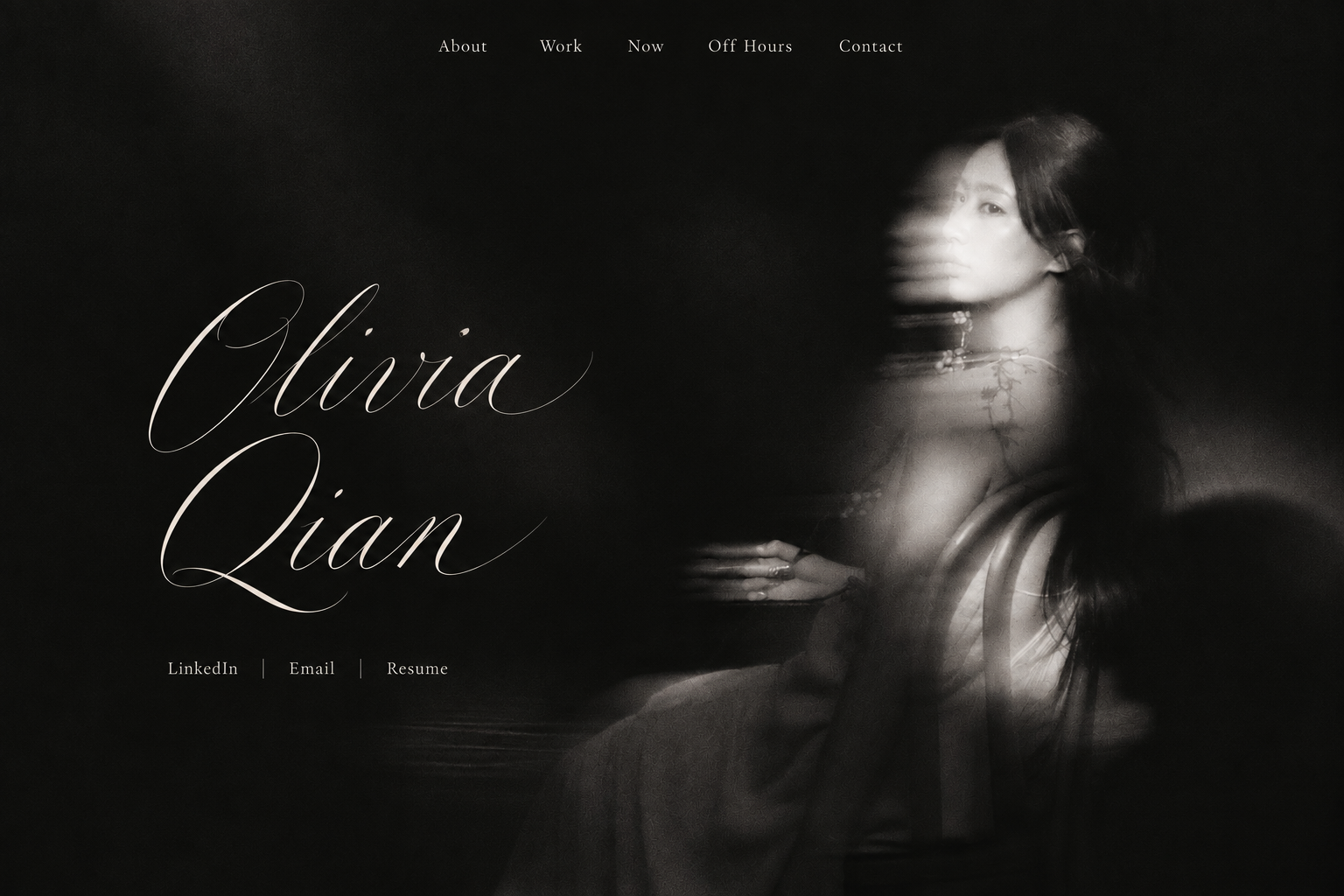
Black-and-white portrait of Olivia Qian

About

Kids ask “why” about everything. That is probably one of the first ways we learn about the world. Somewhere along the way, many adults stop asking. Maybe because we gradually inherit roles with ready-made definitions: banker1, doctor, accountant, founder. Society has already written down a rough version of what each of these people should look like, so it becomes much easier to copy an existing answer than to keep questioning what we actually want to become.

My curiosity never really stopped. I am quite suspicious of norms that come too easily, especially when the answer feels almost spoon-fed. So I guess I will probably always be in the process of becoming, following wherever my curiosity leads me next rather than trying too hard to arrive at one fixed definition of myself.

The way I function is slightly strange. One part of me works almost like a sensor. I collect datapoints from people, environments, books, conversations, art, and whatever else happens to catch my attention. Then another part of my brain tries to put all of those datapoints into a model: what is endogenous, what is exogenous, what are the binding constraints, where are the trade-offs, and eventually, what exactly are we trying to optimise for?

Economics and Finance degrees2 gave me much better thinking anchors for that second part of my brain. Good art, philosophy, photography, and many late-night conversations with friends continue to enrich the first.

Maybe that is also why I keep ending up between different worlds: finance and technology, people and systems, intuition and structure3,4. I do not really know where all of these questions will eventually take me, and I am increasingly okay with that. For now, I just want to stay close to interesting problems, people who care deeply about what they are doing, and environments where I can keep learning, building, and updating the way I see the world.

And if any of this resonates, or if you are working on something that might give me a new question to obsess over, I would probably enjoy hearing from you.

Work, selective.

2020 — Student council · HFLS

Where it started

Student Council President · HFLS

Learning to take responsibility before it was a job.

I joined my high school's student council as a treasury intern and was elected president of the next council. I chaired weekly meetings covering budgets, club operations and project approvals, and designed training for 12 younger council interns.

While preparing for my A-level exams, I co-organised our graduation prom and raised more than RMB 120,000 from two sponsors. We held it at the Hyatt by Hangzhou's West Lake and made attendance free for our graduating class, without parent funding.

What I was responsible for

Our annual club review covered more than 50 existing clubs and applications from over 10 new clubs. I helped set the criteria for recognition, budgets and end-of-year awards.

For the New Year Gala, I coordinated work across 24 council members and more than 100 student performers, negotiated venues and rehearsal schedules with school leadership, and helped manage publicity and logistics. Across the year, I co-led school activities involving more than 500 students, from club fairs and exhibitions to a new talks-and-performance series.

The prom also required solving a cash-flow problem: sponsorship arrived in two instalments. We used refundable student deposits to cover the gap, then returned them after the event. My co-organiser and I handled venue selection and worked with the event production company to deliver the evening.
February 2023 — Founding WiE · LSE

Women in Entrepreneurship

Founder · LSE

Creating the community I wanted to see on campus.

I founded WiE in my first year at LSE because women were underrepresented in our entrepreneurial community. I led and mentored a team of seven, growing the community from zero to 1,500+ members and running more than 20 events per academic year, with around 1,200 aggregate attendees.

Our flagship Female Founders Night brought students into conversation with women building companies. We hosted the 2024 and 2025 editions in collaboration with the Female Founders Night initiative from Zeppelin University in Germany.

The people, and what continued

The 2024 panels included Michelle Kennedy (Founder & CEO, Peanut; former board member, Bumble), Eshita Kabra-Davies (Founder & CEO, By Rotation), Indiana Gregg (Founder & CEO, Wedo.ai) and Emmie Faust (Founder, Female Founders Rise).

In 2025, speakers included Pip Jamieson (Founder & CEO, The Dots), Nina Mohanty (Founder, Bloom Money; previously at Klarna and Mastercard), Ayesha Ofori (Founder & CEO, Propelle; former Executive Director, Goldman Sachs) and Heinin Zhang (Co-founder, yhangry).

Roles shown are those held at the time of the events.

WiE later became part of LSESU Entrepreneurs. Team members I mentored went on to take leadership roles, and Female Founders Night continued after I left. Building something other people wanted to carry forward is one of the outcomes I value most.

April 2025 — Co-director · ASES London

ASES London

Co-director · 2025–26

From fellowship participant to running the London programme.

I joined the 2024–25 fellowship, won the VC-track competition, and earned a funded place at the Stanford ASES Summit, where my team won another competition. I then returned to co-lead the London chapter with Zoe Zhou.

We selected around 70 fellows from roughly 300 applicants and ran an eight-week founder and VC bootcamp. I helped design the curriculum, secured Jane Street sponsorship, and brought founders, investors and operators into the programme.

Inside the programme

The programme moved from customer discovery and MVP thinking to fundraising, market sizing and investment judgment. A halfway hackathon gave fellows a first opportunity to apply what they had learned.

For the final competition, founders had three weeks to build a demonstrable MVP, speak with users, and explain how their thinking had changed. VC teams developed a fund thesis, mapped a market, sourced real companies, and made an investment recommendation. We set clear deliverables and judging criteria for both tracks.

The operational work included university partnerships, speaker coordination and on-campus logistics. Winning teams earned funded places at the Stanford summit. Among them was Sentrix, a project focused on AI-agent observability and trust.

October 2025 — LBS Entrepreneurship Club

LBS Entrepreneurship Club

Startup trek organiser

Taking the conversation into the companies themselves.

At London Business School, I co-organised a week-long startup trek alongside MBA peers through the Entrepreneurship Club. The programme included office visits to Wayve, Yonder, Creandum and Entrepreneur First, bringing students closer to the people building and backing companies.

LBS Entrepreneurship Club

April 2026 — Corpay

Corpay

AI & Finance Automation

From a business challenge to working with the finance team.

I built a macroeconomic dashboard during LBS Business Challenge Week and was the only student from the programme offered a role at Corpay. I went on to work directly with the senior Financial Planning & Analysis (FP&A) team and attend biweekly meetings with regional CFOs to help advance AI automation across finance.

I also designed a workflow to automate direct-debit rejection handling and worked on an AI enablement programme for finance. The work meant understanding how a process ran in practice, identifying where automation could help, and discussing implementation with the people responsible for it.

View the live dashboard prototype
What the dashboard does

The prototype brings macroeconomic indicators across ten countries into one view, with a country-by-indicator heatmap and views for individual countries and indicators. It covers measures such as inflation, unemployment, confidence, policy rates and insolvencies to support finance and credit discussions.

I explored automated monthly updates using public sources including OECD, Eurostat and central bank APIs. Coverage varies by country and indicator, particularly for insolvencies, so some latest-available fields may show N/A. I identified a commercial macro data API as a possible way to improve consistency, subject to a paid subscription.

June 2026 — Building Noetic

Noetic

Founder

Bringing AI builders together around real company problems.

I'm building Noetic with a team of six. We design 48-hour build sprints where companies bring a real workflow problem, and builders work directly with the people who own it. The aim is to help companies see what people can do, while giving builders a chance to create something useful.

We have an existing community of 400+ and a wider network of 2,000+ reachable builders, with university and community ties across Oxford, Cambridge, Imperial, UCL, LSE, KCL, LBS and Stanford.

An Alibaba Accio pilot is verbally confirmed and upcoming.

Explore Noetic

N:OW

If AI becomes a foundational layer of the economy, understanding the infrastructure underneath it becomes a form of basic literacy for anyone who wants to operate or invest seriously in the space.

01 Investing

Sancus Ventures

Spending time with early-stage AI infrastructure companies, founders, and markets.

02 Building

Noetic

Building with a six-person team in London, experimenting with how exceptional technical people find each other and prove what they can build.

03 Learning

Inference economics

Current rabbit hole: inference cost curves, serving architecture, utilisation, latency, memory, and everything adjacent to the question of what actually makes inference cheaper.

04 Writing

I write as a way of forcing myself to form a view. Mostly technology, companies, capital, and whatever question I have been unable to leave alone that week.

→ Read on Substack

Off Hours

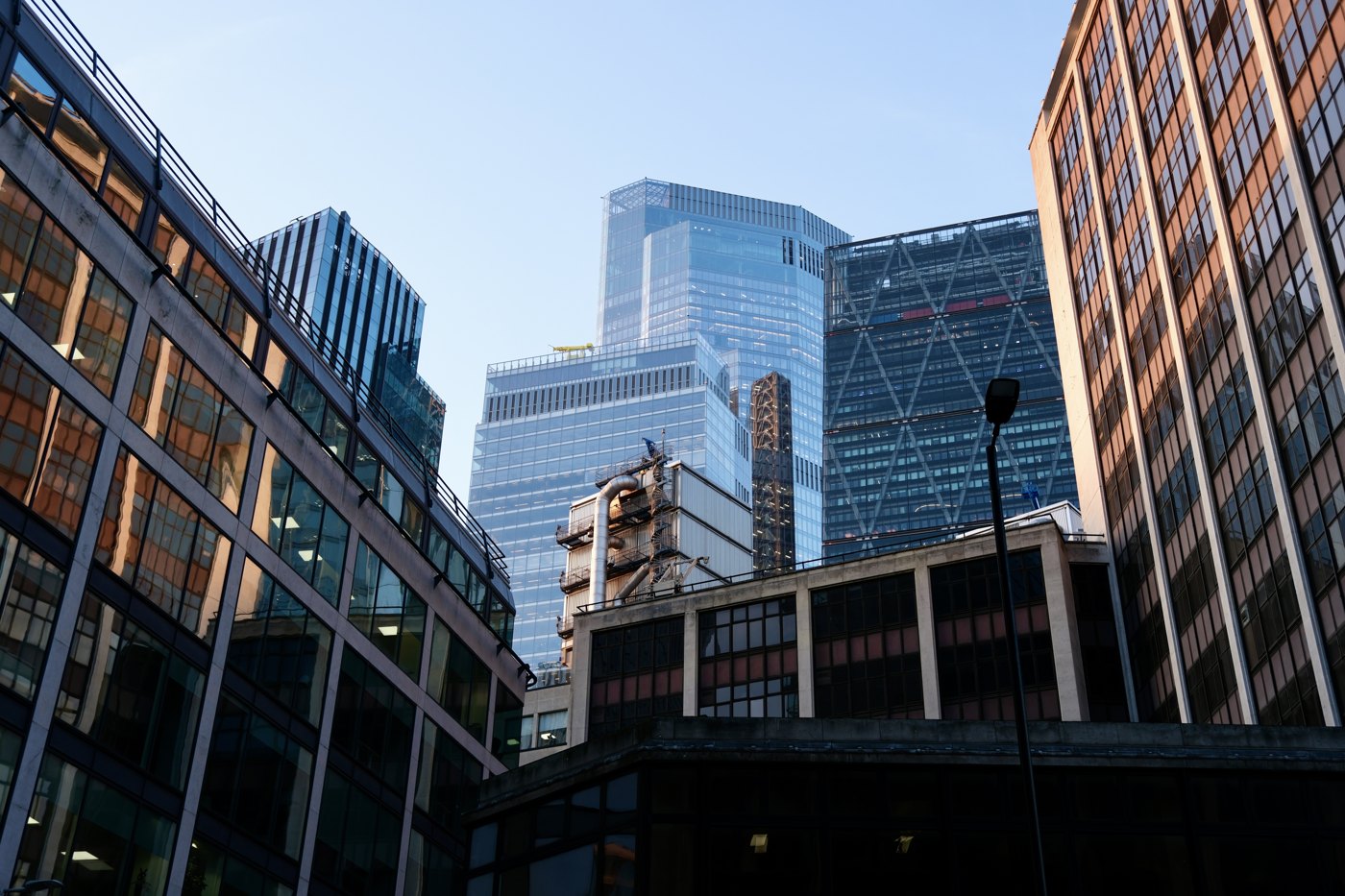
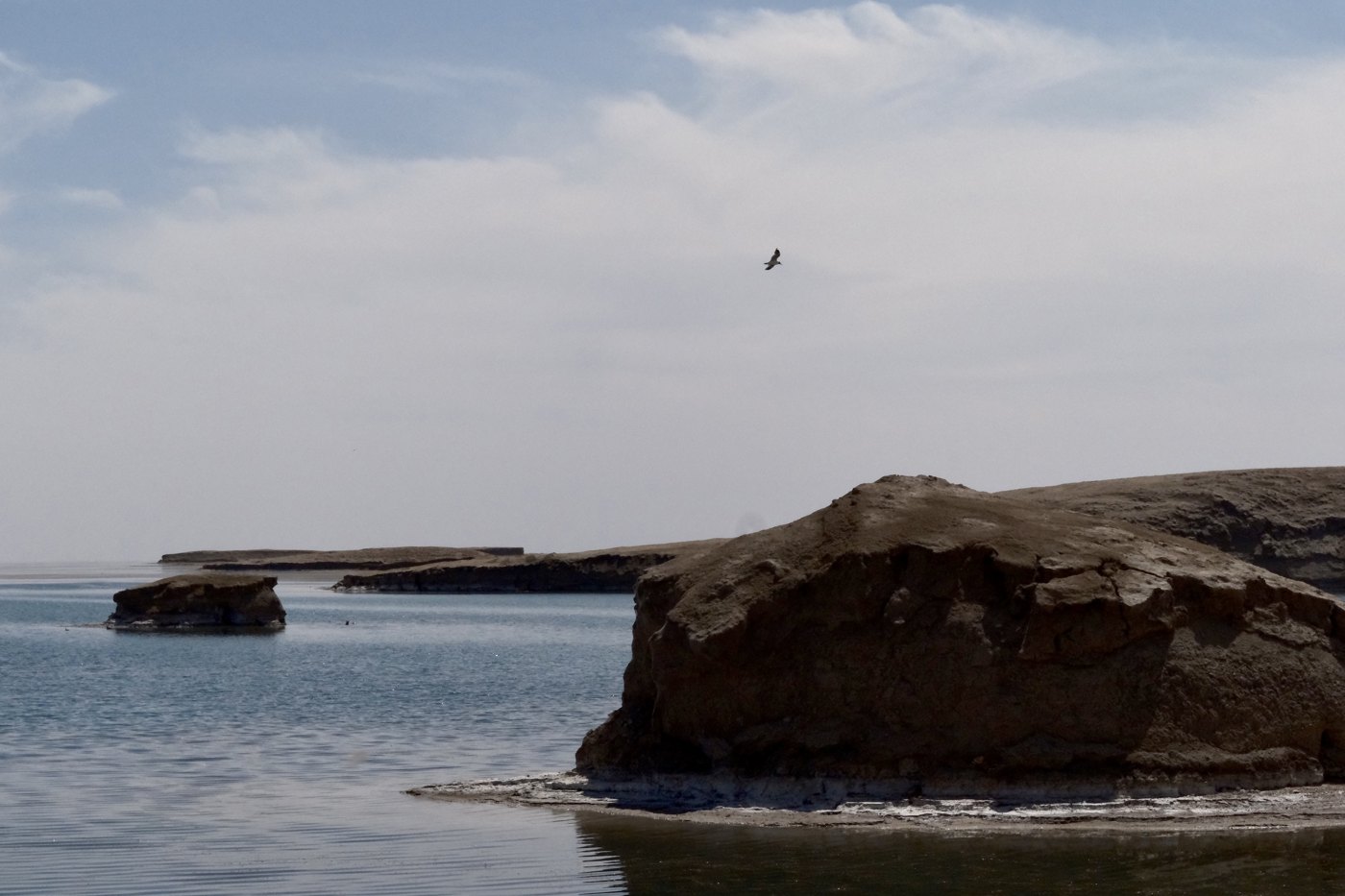
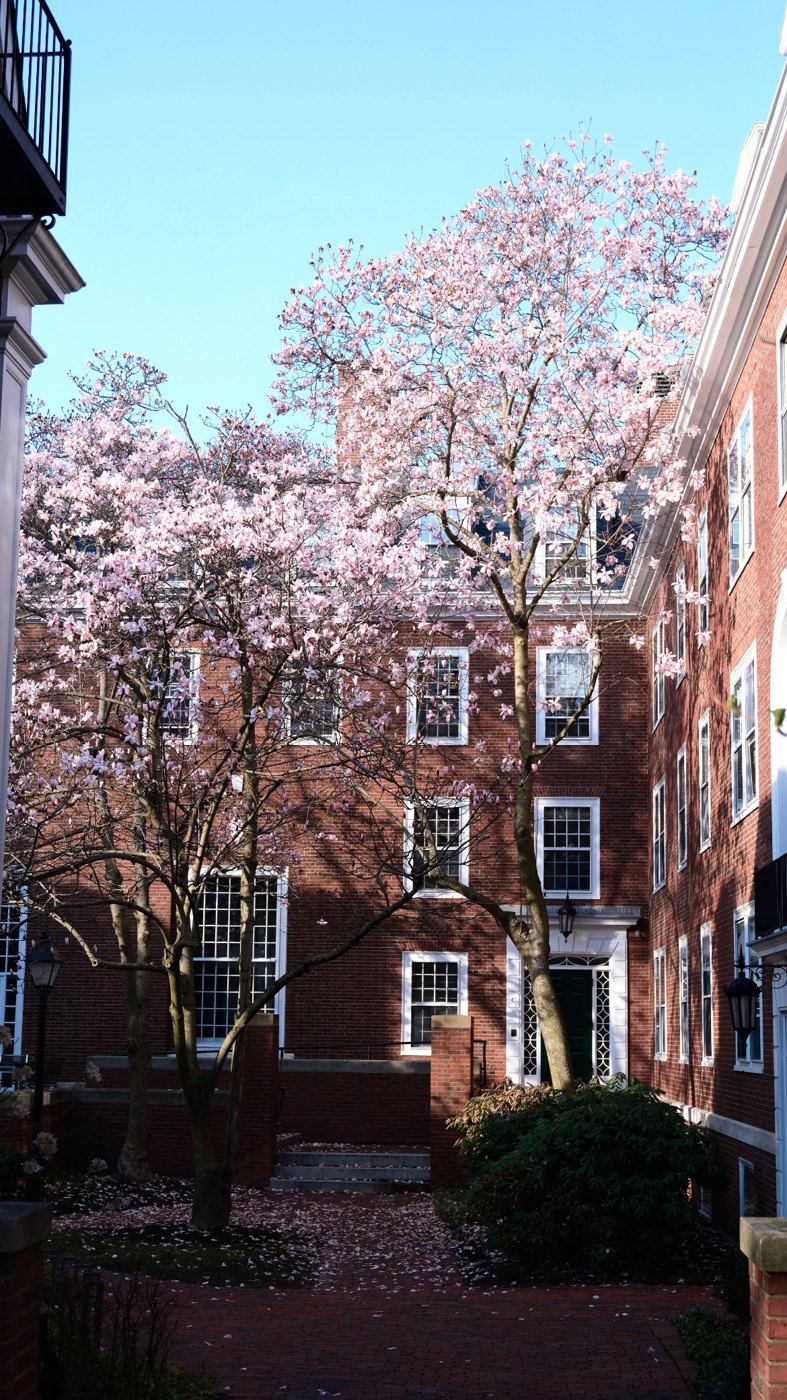
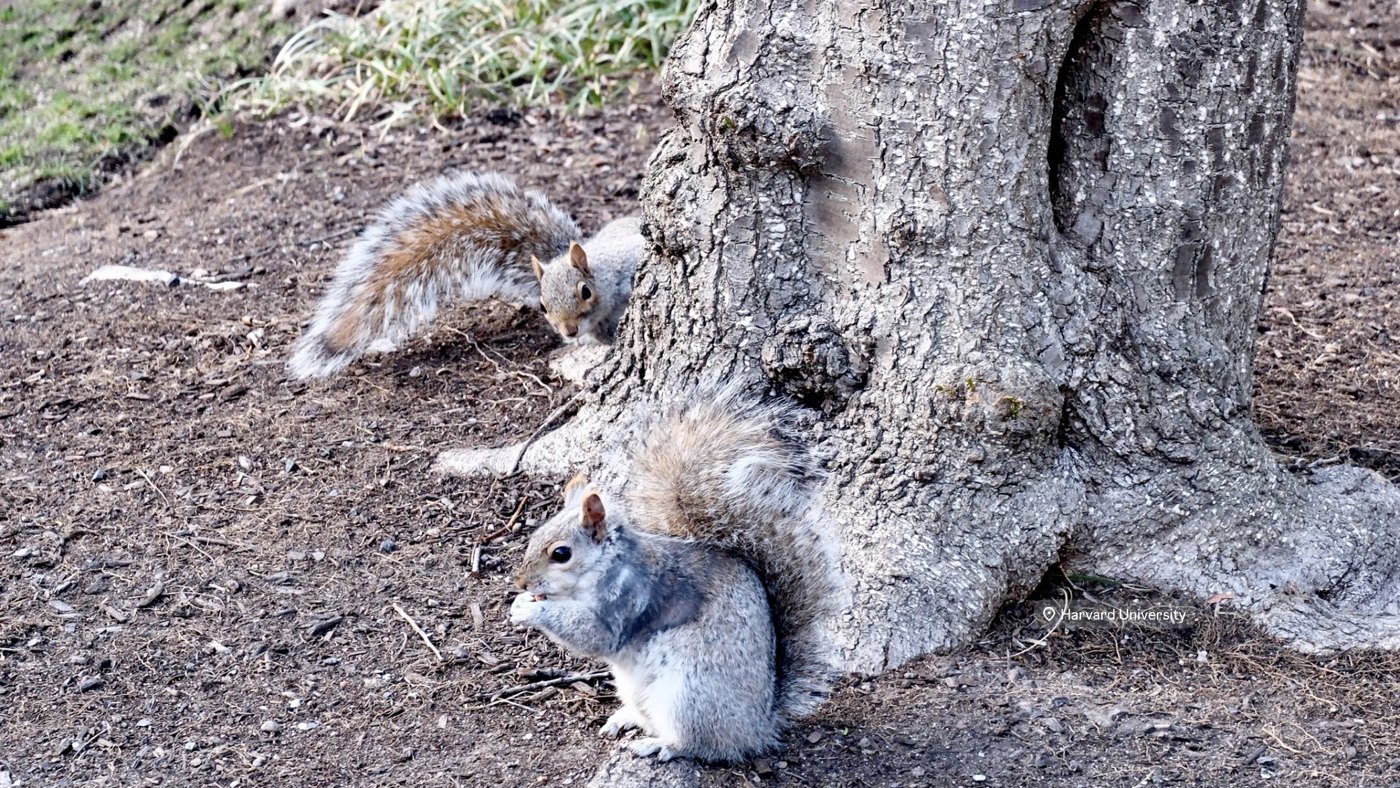
Outside of work, you’ll probably find me wandering through an art gallery, carrying a camera, painting, travelling somewhere new, or looking for a good book. I’m currently in my nonfiction era, though I remain open to being convinced otherwise. I also have a hard time saying no to good food, wine, or sake.

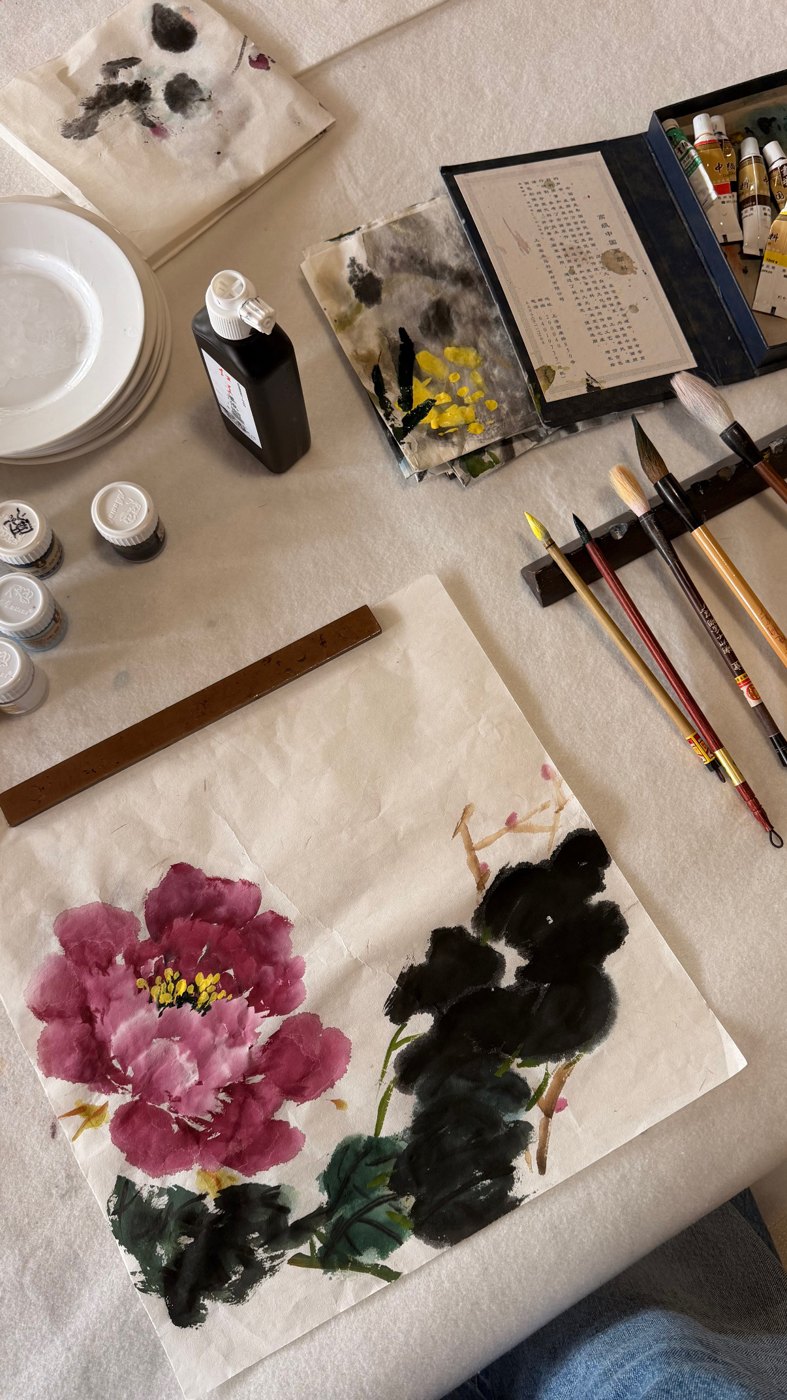
Learning Chinese brush painting
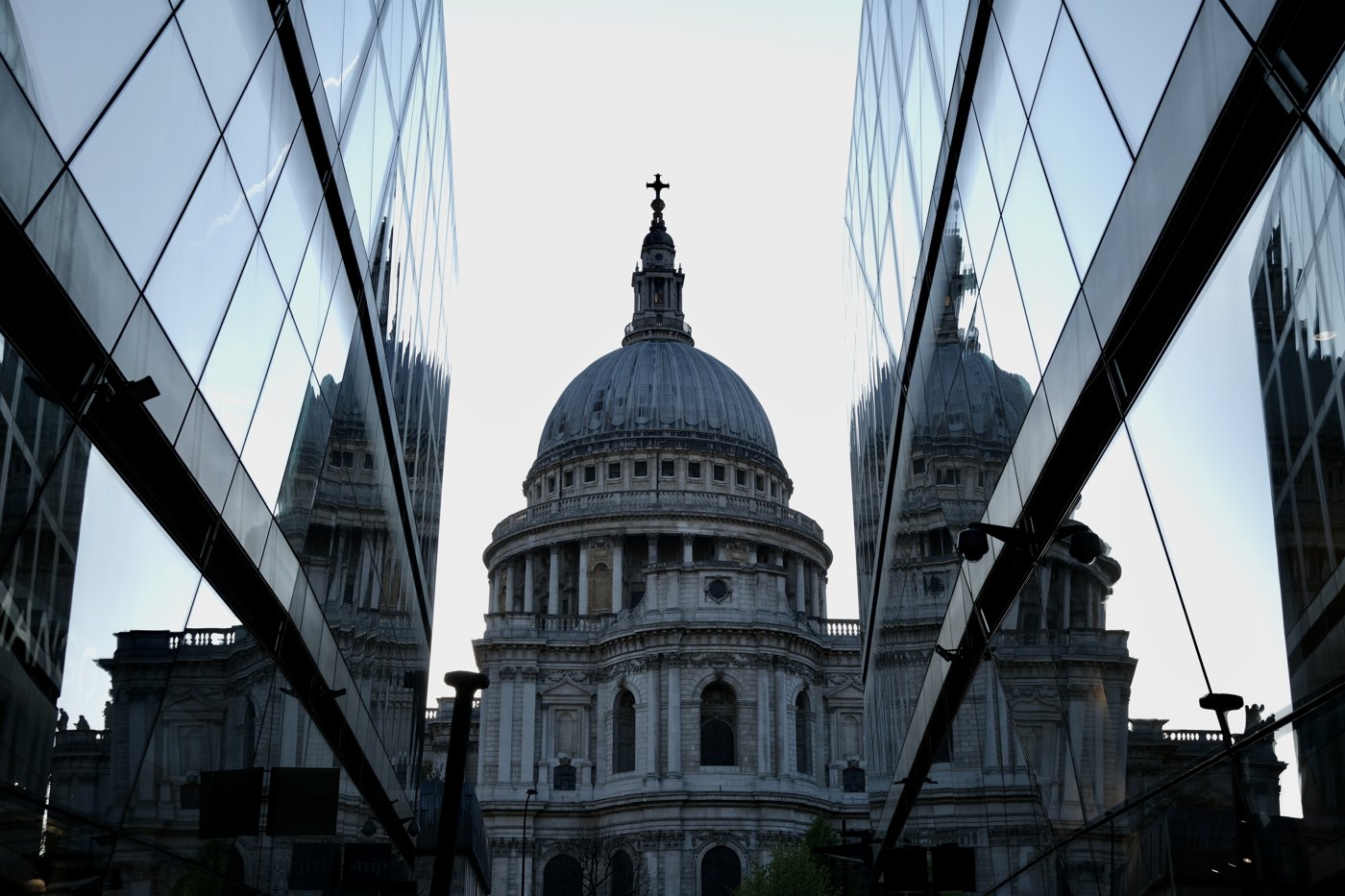
St Paul’s, London
St Paul’s, London
Bank, London
Bank, London
Qinghai Province, China
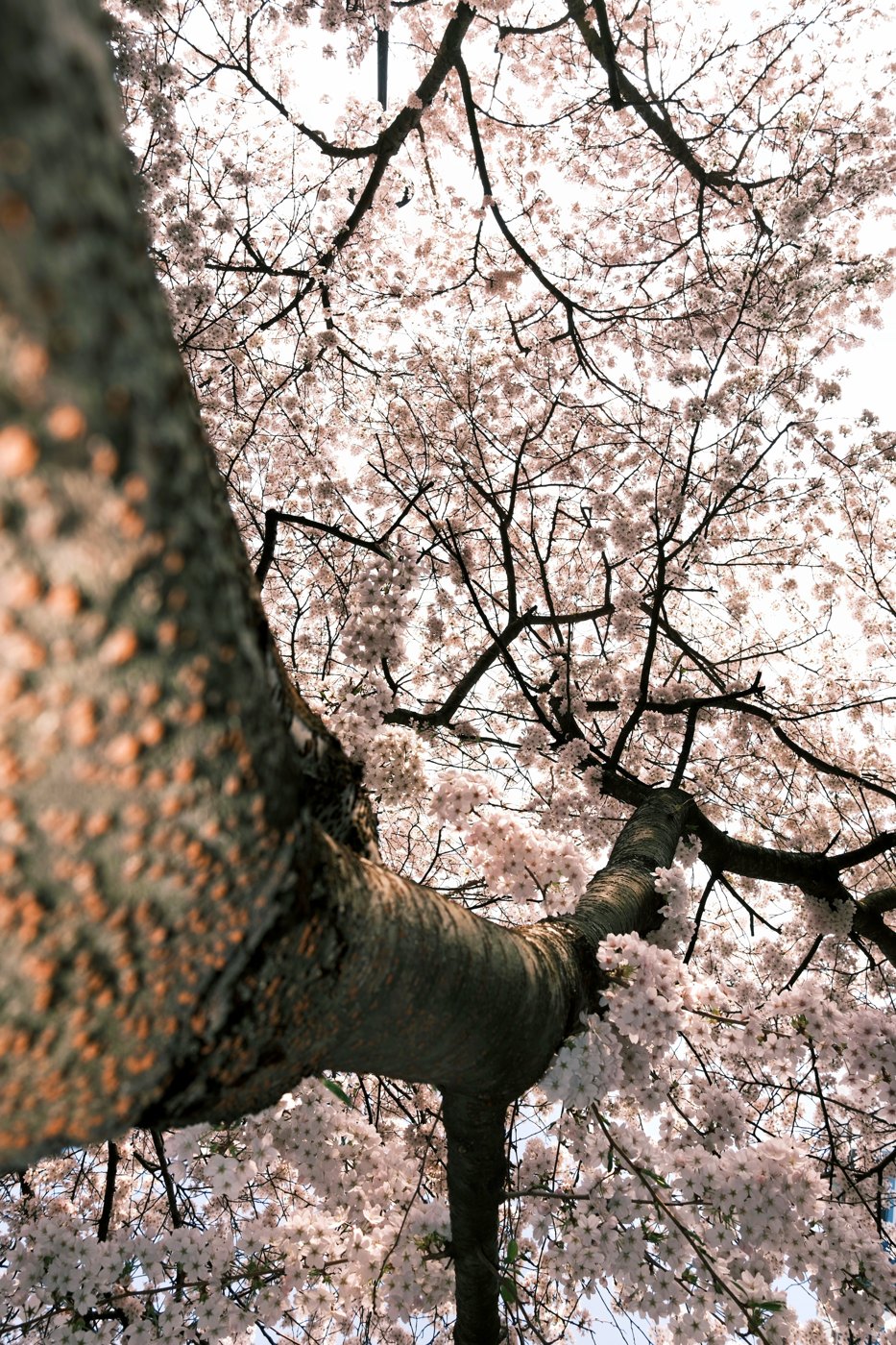
Harvard sakura and the bricks
Harvard squirrels
Harvard squirrels
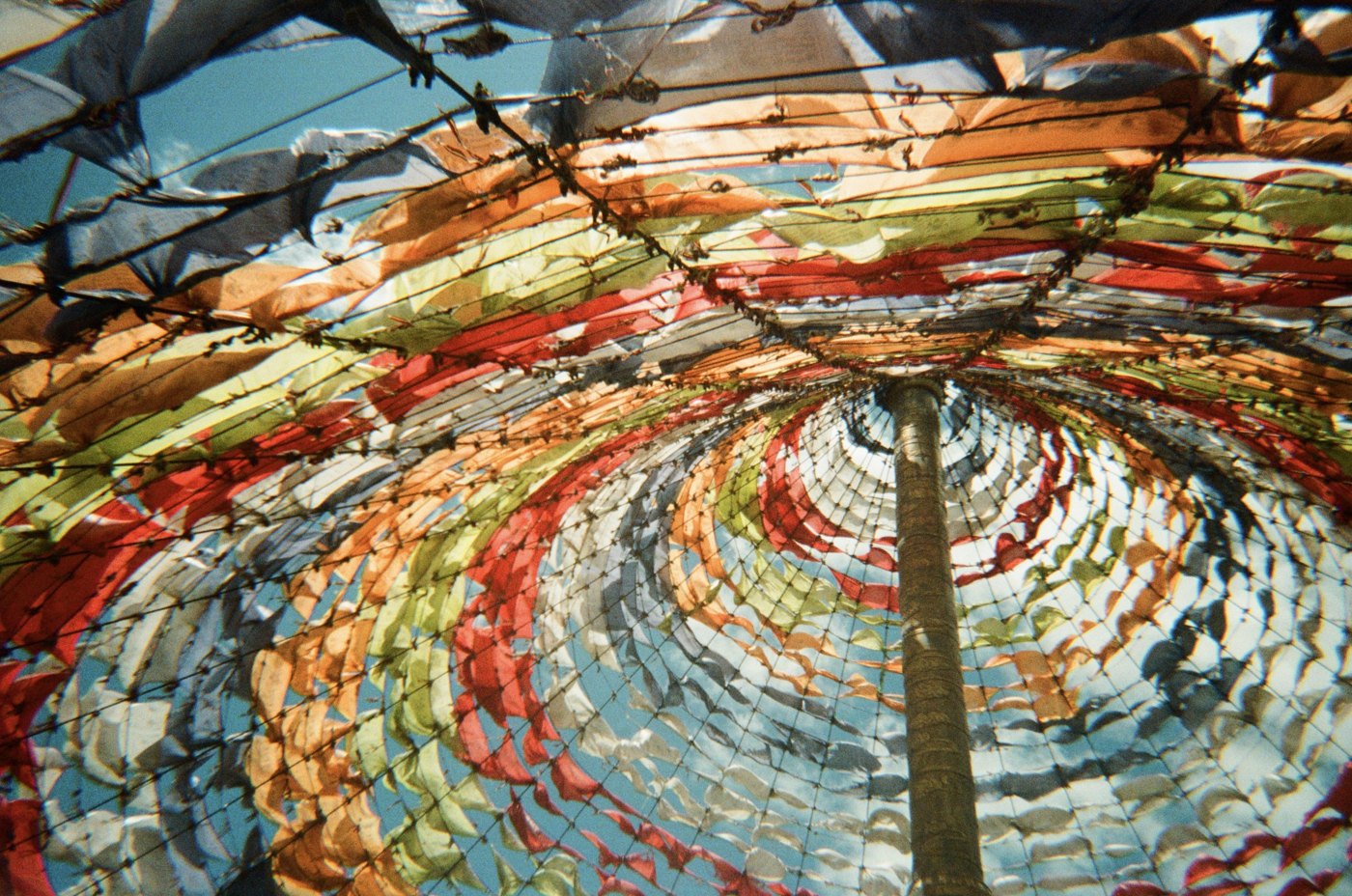
Prayer flags, Qinghai Province, China
London spring
London spring